HRDC ENGAGES STAKEHOLDERS ON ENHANCEMENTS TO NON-CREDIT BEARING SHORT COURSES
Gaborone – The Human Resource Development Council (HRDC), through its Department of Funding, convened a two-day stakeholder engagement workshop from 12th –13th November 2025 at Woodlane Hotel in Gaborone. The workshop brought together Education and Training Providers to strengthen understanding and delivery of the Non-Credit Bearing Short Courses (NCBSC) programme.
The workshop is part of HRDC’s ongoing efforts to enhance transparency, streamline administrative processes and ensuring that stakeholders are well informed about short course funding and compliance. It provided a platform for dialogue, reflection, and forward planning-anchored in the Council’s commitment to responsive, client-centered service.
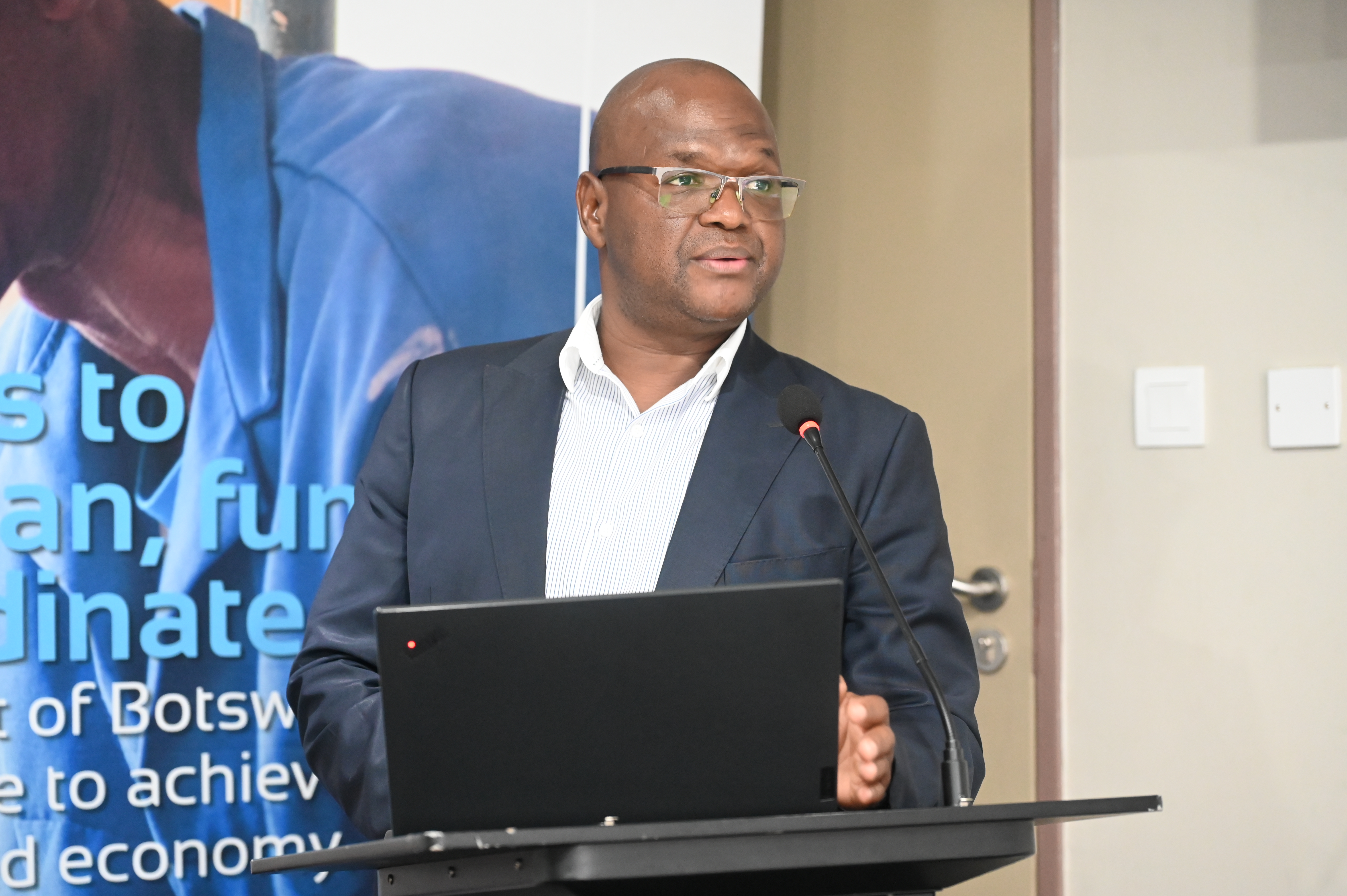
In his opening remarks on the first day, HRDC Director of Funding, Mr. Mothusi Masole, emphasised the importance of shared accountability and procedural clarity in ensuring the success of the NCBSC programme. “Shared accountability and procedural clarity are key to delivering responsive, client-centered service,” he noted.
On his part, the HRDC Chief Operations Officer, Mr. Meshack Justin Tafa, welcomed the delegates with a message that reinforced the Council’s vision for a more agile and accountable funding ecosystem. “It is with great pleasure that I extend a very warm welcome to you all to this important stakeholder engagement meeting. Your continued commitment to advancing human resource development in Botswana is both acknowledged and sincerely valued” said Mr Tafa. He further emphasised that the session was convened with a deliberate purpose to engage stakeholders on the review of the NCBSC Tools and the associated Schedule of Fees, reflecting HRDC’s commitment to transparency, responsiveness, and collaboration.
Over the two days of the workshop, participants were taken through a series of technical and strategic sessions designed to unpack recent enhancements to the programme. These included proposed revisions of the NCBSC Guidelines and Tools, a review of the Schedule of Fees, and updates to the application form for recognition and provision of new short courses. The sessions also explored interventions aimed at improving turnaround times, strengthening compliance with claims regulations, and ensuring equitable access to services across institutions.
Throughout the workshop, HRDC officers facilitated interactive engagements, responded to frequently asked questions, and provided practical guidance on navigating the NCBSC system. Stakeholders were encouraged to share their experiences, raise concerns, and offer suggestions for improving service delivery. The atmosphere was one of collaboration and mutual learning, with participants expressing appreciation for the opportunity to engage directly with HRDC leadership and technical teams.
The workshop also served as a timely reminder of the critical role that short courses play in Botswana’s broader human capital development agenda. By equipping citizens with targeted, industry-relevant skills, the NCBSC programme continues to support national priorities around employability, productivity, and inclusive growth.
In conclusion of the workshop, HRDC reaffirmed its commitment to continuous improvement and stakeholder empowerment. The Council pledged to take forward the insights gathered during the workshop and translate them into tangible service enhancements that benefit both clients and the broader training ecosystem.
